The Benefits of Choosing Flat Roofing for Your Property
Flat roofing provides a workable solution for many property owners. Its design enables efficient use of components and space. Reduced expenses and servicing requirements make it ever more attractive. Moreover, flat roofs can enhance operational efficiency and environmental stewardship. However, misconceptions often cloud their merits. Learning these considerations can help homeowners make informed decisions about their roofing options. What perks might flat roofing contribute to your dwelling?
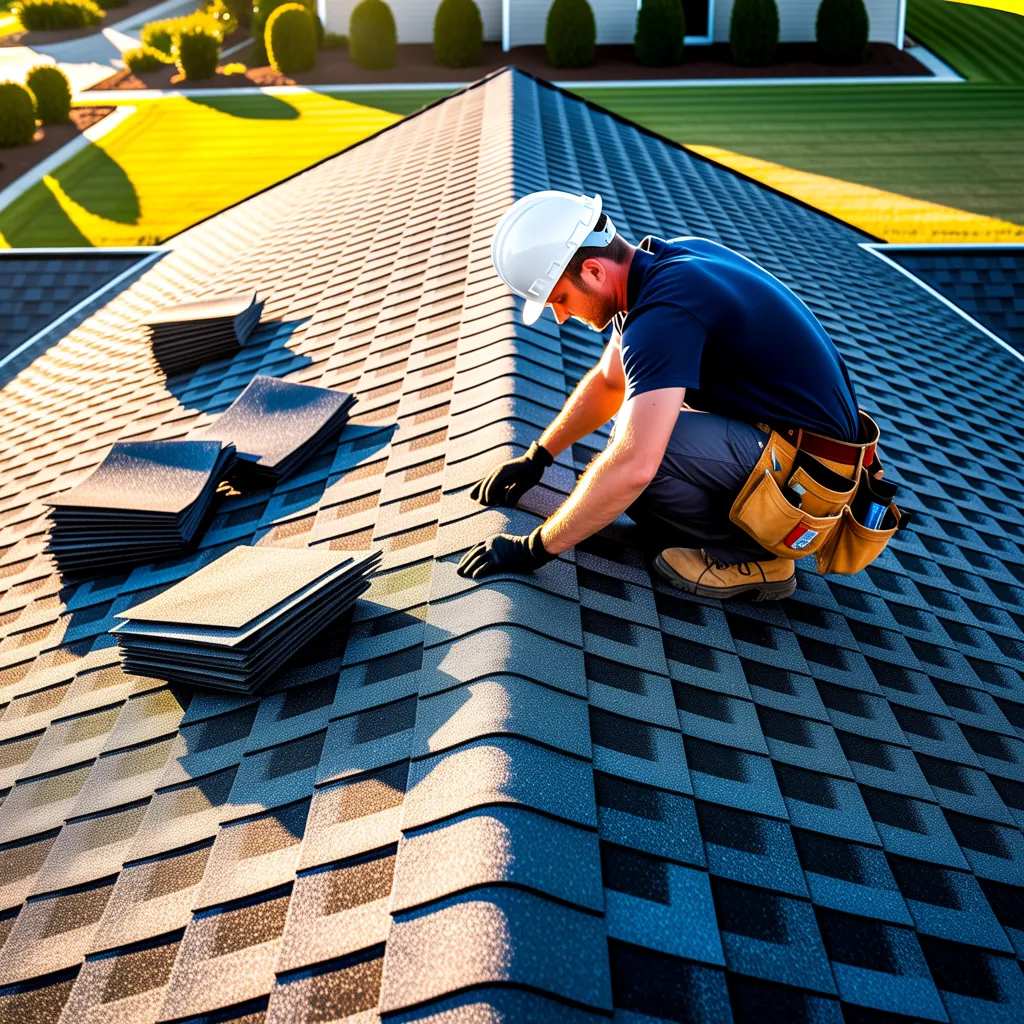
Why Consider Flat Roof Systems for Your Home?
When analyzing roofing options, property owners may see that flat roofing presents distinct advantages. One significant benefit is budget-friendliness. Flat roofs often require fewer materials than sloped designs, causing lower installation expenses. Additionally, maintenance tends more manageable, facilitating for easier access during inspections and repairs.
An additional advantage is located in durability. Numerous roofing options for flat surfaces, such as TPO or EPDM, are designed to endure harsh weather conditions, providing extended protection. This resilience can reduce the frequency of replacements or repairs, additionally enhancing cost savings over time.
Also, level roofs can promote the addition of power-saving technologies, such as solar panels or green roofs, which may deliver enduring energy expense reductions. In essence, flat roofing offers property owners a effective option that pairs functionality, robustness, and conceivable financial perks, making it a valuable consideration for assorted building types.
Optimize Area Using Flat Roofs
Flat roofs provide outstanding potential for increasing functional area in both residential and commercial properties. Unlike conventional sloped roofs, flat roofs provide a versatile area that can be utilized for multiple uses. Roof gardens, patios, and exterior seating areas can enhance the aesthetic appeal and functionality of a building, generating extra leisure areas.
Within business environments, flat roofs can hold HVAC systems, solar panels, or even green roofs, boosting energy efficiency and sustainability. Additionally, the flat surface provides easier access and maintenance compared to sloped roofing systems.
This configuration also supports the creation of vertical additions, such as additional stories or rooftop offices, without compromising the established footprint of the property. By taking full advantage of the roof's potential, investors can greatly increase both their usable space and asset value, making it a prudent choice for maximizing utility and enjoyment.
Affordable Flat Roofing Options
Although numerous roofing options exist, economical flat roofing solutions stand out for their affordability and practicality. Multiple materials can be used, including modified bitumen, PVC, and EPDM rubber, each offering special benefits at competitive prices. Modified bitumen, for instance, is known for its resilience and simple installation, making it an appealing choice for financially prudent property owners.
PVC roofs, while somewhat higher in price, provide superior energy performance and durability, ultimately reducing overall long-term costs. EPDM rubber is an alternative popular selection, valued for its resilience and low upkeep requirements.
These materials not only minimize initial expenses but also assist in conserving energy, resulting in additional reductions on utility bills. By selecting the right flat roof choice, property owners can attain a equilibrium between price and efficiency, guaranteeing a financially sound investment that meets their needs successfully.
Easily Preserve Your Flat Roof
Keeping a flat roof in good condition can be simple, especially when using budget-friendly materials like modified bitumen, PVC, or EPDM rubber. These materials are engineered for strength and need minimal care, making them appropriate for property owners seeking lasting solutions. Regular evaluations are necessary, enabling for the quick spotting of potential issues such as pooling water or debris accumulation.
Regular maintenance of the surface guarantees that gutters and drains remain clear, avoiding water damage and prolonging the roof's lifespan. Additionally, applying a protective coating can enhance protection to UV rays and increase the roof's durability.
Rather than peaked roofs, flat roofs grant convenient access for upkeep tasks, reducing the possibility of problems during inspections or repairs. Ultimately, the straightforwardness of preserving a flat roof, together with the correct materials, can afford major savings and security for property owners.
Energy Conservation and Sustainability
Improving fuel economy and eco-friendliness represents a notable advantage of flat roofing systems. These roofs typically incorporate materials that deflect sunlight, reducing heat soaking and lowering cooling costs during summer periods. This quality produces less reliance on air conditioning, which can greatly cut energy consumption and connected expenses.
Furthermore, flat roofs can be equipped with insulation materials that improve thermal performance, contributing to a pleasant indoor environment. The ability to incorporate eco-friendly roof systems additionally boosts environmental responsibility. By minimizing heat islands in cities, flat roofs support improved air quality and reduced energy use.
Additionally, flat roofing is typically easier to maintain and repair, which can result in extended durability and less debris. Overall, the energy-saving and sustainable aspects of flat roofing systems make them an attractive choice for environmentally conscious property owners looking to lower their carbon footprint while enjoying financial advantages.
Versatile Uses: Rooftop Gardens and Solar Panels
Flat roofs present unique opportunities for creative applications, including rooftop gardens and solar panels. Rooftop gardens not only enhance aesthetics but also provide insulation and advance biodiversity. Meanwhile, the deployment of solar panels on flat roofs optimizes energy efficiency, harnessing sunlight efficiently to minimize utility costs.
Rooftop Garden Gains
Rooftop gardens yield numerous advantages, smoothly integrating nature into urban locales. These cultivated areas amplify visual charm, transforming plain rooftops into vibrant spaces. They also provide key environmental benefits, offering benefits like improving air quality and lowering urban heat via insulating vegetation. Additionally, rooftop gardens can act as multifunctional spaces, offering locations for relaxation, social occasions, or even urban farming. They support biodiversity by establishing habitats for multiple species, nurturing ecological balance within city settings. Furthermore, these gardens can assist in managing stormwater runoff, limiting flooding risks. Overall, the introduction of rooftop gardens functions as a sustainable strategy that boosts both property value and the quality of life for urban occupants.
Solar Panel Capability
More property owners and companies are recognizing the efficiency of solar panels as a effective method for renewable energy generation. Flat roofs serve as an excellent platform for solar panel mounting thanks to their unobstructed access to sunlight. The positioning ensures peak output, maximizing energy absorption throughout the day. Moreover, the even surface of flat roofs simplifies maintenance and installation compared to sloped roofs. Adding solar panels can greatly reduce energy bills, contributing to more sustainable properties. Moreover, combining solar panels with rooftop gardens enhances insulation and reduces urban heat, showcasing the versatility of flat roofing. Overall, the partnership of solar energy and flat roofs aids environmental sustainability and delivers economic benefits.
What Are Popular Myths About Flat Roof Systems?
What misconceptions surround flat roofing? Many property owners think that flat roofs are susceptible to leaks and demand more upkeep than sloped roofs. However, modern components and innovations have considerably improved their strength and water resistance. Another common myth is that flat roofs lack aesthetic appeal. In reality, they offer flexibility in design and can support rooftop gardens or solar panels, enhancing both functionality and appearance. Some also contend that flat roofs cannot handle heavy snow or rain. In truth, proper drainage systems can efficiently manage these conditions. Finally, there is a notion that flat roofing is less energy-efficient. When installed correctly with adequate insulation, flat roofs can provide excellent energy savings. By dispelling these myths, property owners can make informed decisions about the benefits and practicality of flat roofing solutions.
Common Questions Asked
How extended does a flat roof usually last?
A flat roof commonly lasts between 15 to 30 years, contingent on materials used, installation quality, and maintenance. Consistent assessments and prompt maintenance can increase its lifespan considerably beyond the average duration.
Which Materials Work Best for Flat Roofing?
The most excellent choices for flat roofing are PVC, TPO, EPDM rubber, and modified bitumen. Each delivers special strengths, such as durability, better performance, and weatherproofing, which makes them sought-after options for different applications.
Is installing a level roofing personally possible?
Constructing a flat roof solo is possible for those with satisfactory talents and knowledge. However, it calls for careful planning, proper materials, and observance to local building codes to guarantee robustness and well-being throughout the installation process.
In what manner do flat roofs handle intense rainfall?
Flat roofs address heavy rain through efficient water management solutions, including internal gutters and scuppers. Correct setup and upkeep are critical to avoid standing water and possible water-related harm, ensuring durability and performance in adverse weather conditions.
Which Premier Drainage Alternatives Work Best for Sloped-Minimal Roofs?
Effective water removal systems for flat roofs feature internal drains, scuppers, and tapered insulation. view resource These approaches encourage water flow towards designated drainage points, stopping ponding and potential structural damage from accumulated water during heavy rainfall.